
June 21, 2026 12:29am
By Santiki John Gursa
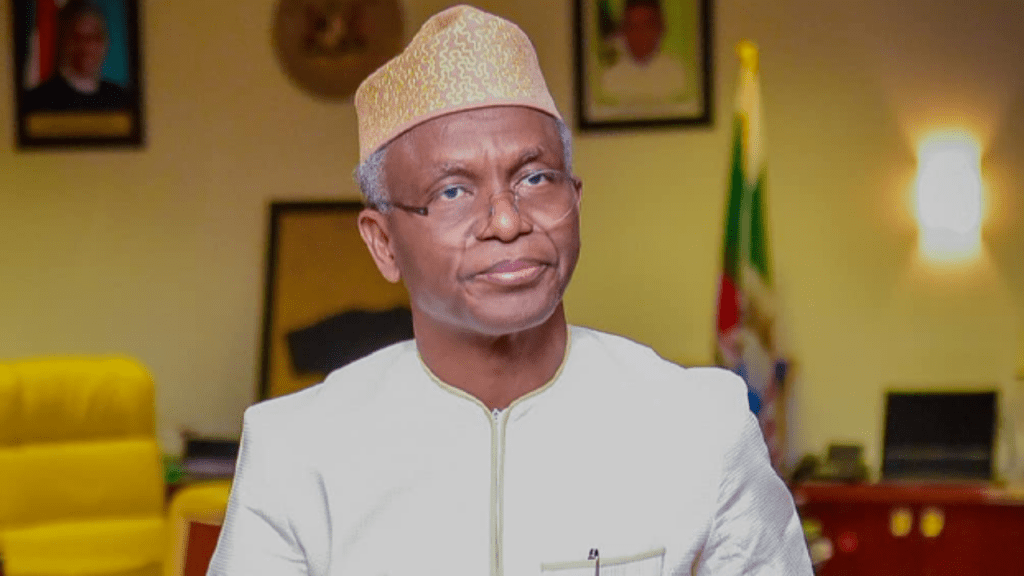
Fresh controversy has erupted around former Kaduna State governor, Nasir El-Rufai, following allegations that he has been denied access to critical medical treatment while in detention.
The claims were made by his spokesman, Muyiwa Adekeye, who accused the Independent Corrupt Practices and Other Related Offences Commission (ICPC) of repeatedly obstructing efforts to secure proper healthcare for the former governor despite what he described as a worsening medical condition.
According to Adekeye, El-Rufai recently developed severe irritation, redness, and swelling in his eyes and requested permission to seek treatment at a medical facility. However, the request was allegedly declined by officials of the anti-corruption agency.
He further disclosed that an eye clinic had examined El-Rufai earlier in the month, but his condition reportedly deteriorated in the days that followed. Family members, he said, have grown increasingly alarmed as the discomfort persists without adequate intervention.
In a more troubling claim, Adekeye alleged that two ICPC officers personally observed the swelling and redness during a visit but failed to facilitate any medical response afterward.
The situation became more contentious after an official, identified simply as Henry, reportedly told family members that El-Rufai himself had declined medical treatment. This claim has been strongly rejected by his relatives, who insist it is entirely false.
Adekeye also maintained that this is not the first time officials have misrepresented El-Rufai’s position regarding issues surrounding his detention.
Concerns intensified further after visits by El-Rufai’s wives, who reportedly found him in visible discomfort and struggling with the worsening eye condition. Their observations have sparked renewed calls for urgent medical attention and transparency in the handling of his case.
As of the time of filing this report, the ICPC has not issued an official response to the allegations.
The unfolding situation continues to draw public attention, raising questions about detainee welfare, institutional accountability, and adherence to due process.


 Truth Radar Times
Leave a comment